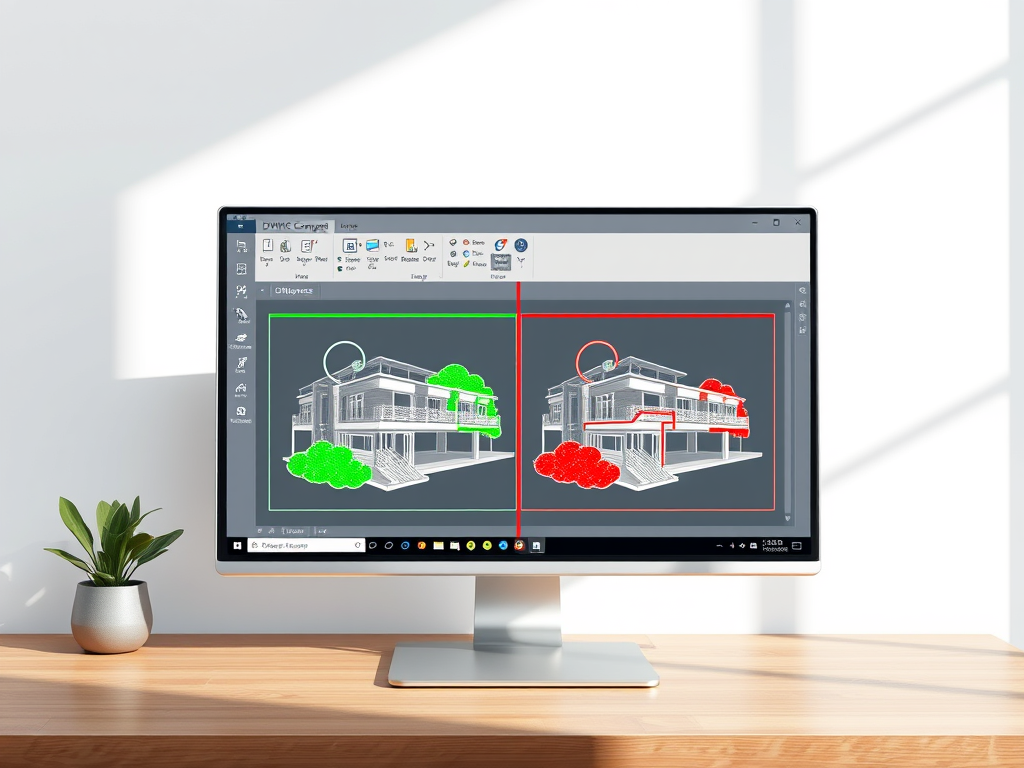
In CAD (Computer-Aided Design) software, a block is a collection of objects that are combined into a single object. Blocks are used to represent repetitive elements in a drawing.
For example:
Symbols: Common symbols like doors, windows, and electrical fixtures.
Components: Parts of mechanical systems or architectural features that are reused across different designs.
Key Features of CAD Blocks:
Efficiency
Using blocks saves time and reduces file size since you can insert the same block multiple times without duplicating the data.
Consistency
Blocks ensure that the same representation is used throughout the drawing, maintaining uniformity.
Ease of Modification
When a block is modified, all instances of that block in the drawing are updated automatically, which simplifies changes.
Attributes
Blocks can contain attributes, which are text fields that can hold information related to the block, such as part numbers or descriptions.
How to redefine blocks in CAD
To redefine blocks in CAD software, you typically follow these steps:
Select the Block: Use the selection tool to choose the block you want to redefine.
Block Editing:
In CAD software, you can use the BEDIT command to open the Block Editor.
After selecting the block, make the necessary modifications.

Save Changes:
Once you finish editing, click save and close the Block Editor. The block will be updated in all instances where it is used.
Update Block Attributes (Optional): If the block has attributes, you may need to update these to ensure they reflect the latest information.
Use the Block:
Continue using the updated block in your drawing.