For many engineers and designers, CAD work has long been centered on desktop software. A drawing is created on a workstation, saved as a local file, and then shared with others through email, internal servers, or file transfer tools. This workflow is familiar, reliable, and still essential for professional drafting.
However, as projects become more complex and teams become more distributed, a purely standalone CAD workflow can create new challenges. CAD work no longer ends when a drawing is completed. Drawings need to be reviewed, shared, updated, approved, and delivered across different teams, locations, and project stages.
This is why cloud matters for CAD.
Cloud technology does not replace professional desktop CAD. Instead, it helps extend CAD from individual drafting to connected project collaboration.
The Limitations of Standalone CAD Workflows
In a traditional CAD environment, drawings are often stored and managed as local files. Designers may save files on personal computers, shared folders, or company servers. When others need to review the drawing, the file is usually exported, copied, uploaded, or sent separately.
This process works, but it can easily lead to inefficiency.
One common issue is version confusion. When drawings are downloaded, renamed, modified, and resent multiple times, it becomes difficult to identify the latest version. Team members may unknowingly review outdated drawings or work from different file copies.
Another challenge is limited access. Project managers, clients, contractors, or field teams may need to check drawing information, but they may not have desktop CAD software installed or may not be near their workstation. As a result, drawing review and communication can be delayed.
Standalone workflows can also make collaboration less efficient. Designers may spend extra time exporting files, sending attachments, explaining drawing changes, or confirming whether everyone is looking at the same version.
These problems are not caused by CAD drafting itself. They come from the way drawings move through the project workflow.
What Cloud Brings to CAD
Cloud technology helps address these workflow challenges by making drawings easier to access, share, review, and manage.
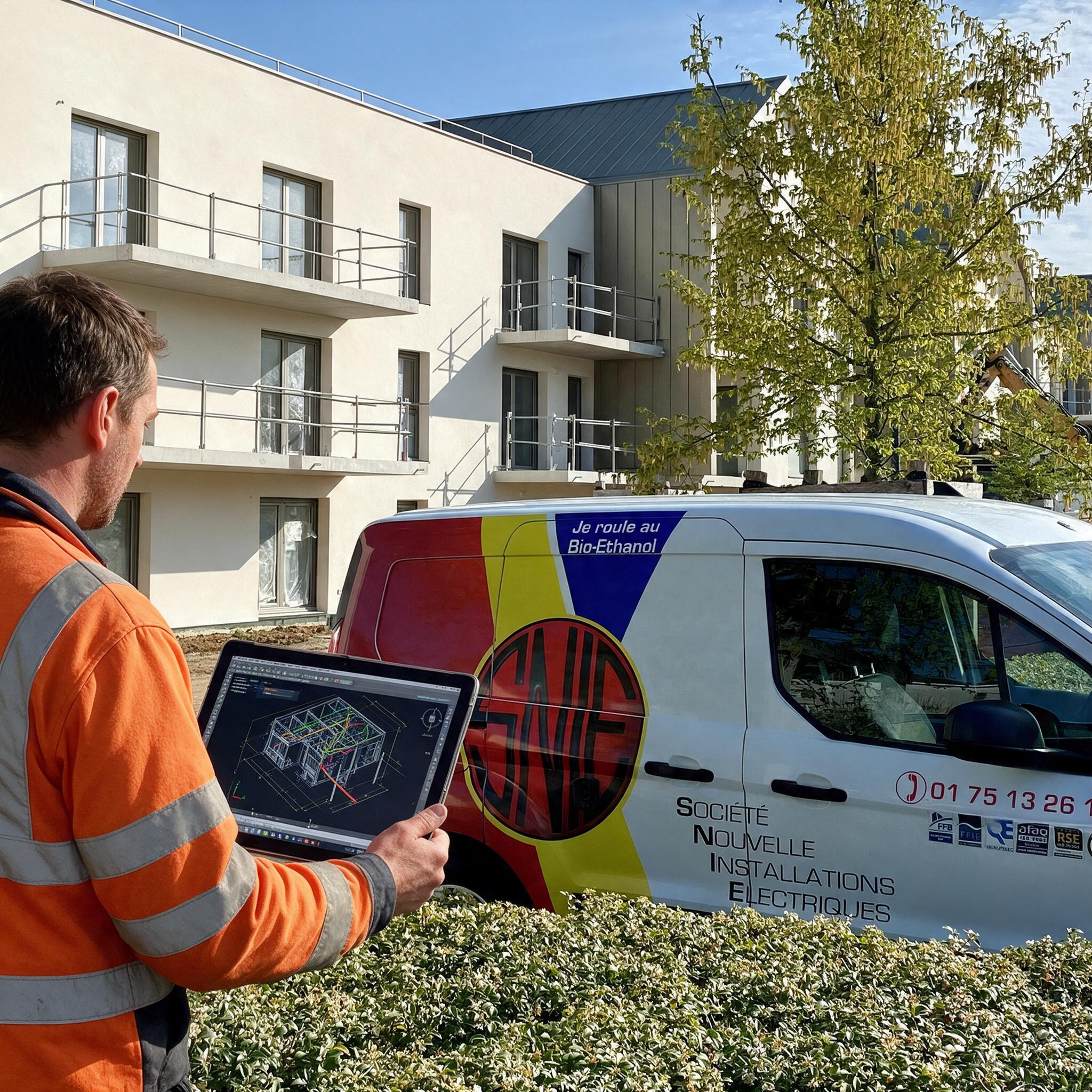
First, cloud improves accessibility. Users can access drawings from different devices and locations, whether they are in the office, working remotely, meeting with clients, or checking information on site. This makes CAD data more available to the people who need it.
Second, cloud improves collaboration. Instead of sending drawing files back and forth, teams can use cloud-based workflows to share updates, review drawings, and communicate more efficiently. This helps reduce repeated file transfers and shortens the feedback cycle.
Third, cloud supports better drawing management. When drawings are managed through a more centralized environment, teams can reduce version confusion and maintain clearer control over project files.
Finally, cloud allows more project members to participate in the CAD workflow. Not everyone needs full drafting capability, but many people need to open, check, comment on, or approve drawings. Cloud-based access helps connect designers with managers, clients, reviewers, and field teams.
For the CAD market, this means the value of CAD is expanding. It is no longer only about creating drawings. It is also about how drawings support communication, decision-making, and project delivery.
How GstarCAD 365 Helps
GstarCAD 365 is designed to support cloud-connected CAD workflows. It helps users access, view, share, review, and manage drawings more efficiently across different project scenarios.
With GstarCAD 365, drawing access becomes more flexible. Project members can open and check drawings across multiple environments, making it easier to respond to project needs whether they are in the office, working remotely, meeting clients, or visiting a project site.
GstarCAD 365 also improves drawing communication. Teams can share drawings more conveniently, reduce repeated file transfers, and speed up review and feedback. This helps designers, managers, clients, and field teams stay aligned during the project process.
In addition, GstarCAD 365 supports better drawing management. By organizing drawings through a cloud-based workflow, teams can reduce the risk of version confusion and manage project files more clearly.
Most importantly, GstarCAD 365 allows more project members to participate in the CAD workflow. Not every user needs full drafting capability, but many users need to view drawings, check details, add comments, or approve project information. GstarCAD 365 helps connect these users and makes drawing-based collaboration more efficient.

Conclusion
Cloud matters for CAD because CAD work does not stop at drafting. Drawings need to move through the entire project lifecycle, from creation and review to communication, management, and delivery.
Standalone desktop CAD remains essential, but cloud technology helps solve the workflow challenges around drawing access, sharing, collaboration, and version control.
With GstarCAD 365, we aim to help users build a more flexible and connected CAD workflow. By combining professional desktop drafting with cloud-based collaboration, Gstarsoft helps engineering teams work more efficiently, communicate more clearly, and manage DWG drawings with greater confidence.
Discover more from Gstarsoft's Blog
Subscribe to get the latest posts sent to your email.